Disaster Response
Emergency response reaches hundreds of animals affected by Kathmandu evictions
Emergency response reaches hundreds of animals affected by Kathmandu evictions
July 31, 2026
As evictions and displacement continue to affect communities across Kathmandu Valley, IFAW-supported response teams from partner Sneha’s Care are providing sustained support for animals left without reliable access to food, shelter, and veterinary care.
Government-led evictions of informal settlements along river corridors began in April, forcing families from their homes and disrupting the informal networks of people who had long provided food and care for community animals. As people faced the immediate challenges of displacement, dogs, cats, and other animals were at increased risk of injury, illness, hunger, and abandonment.
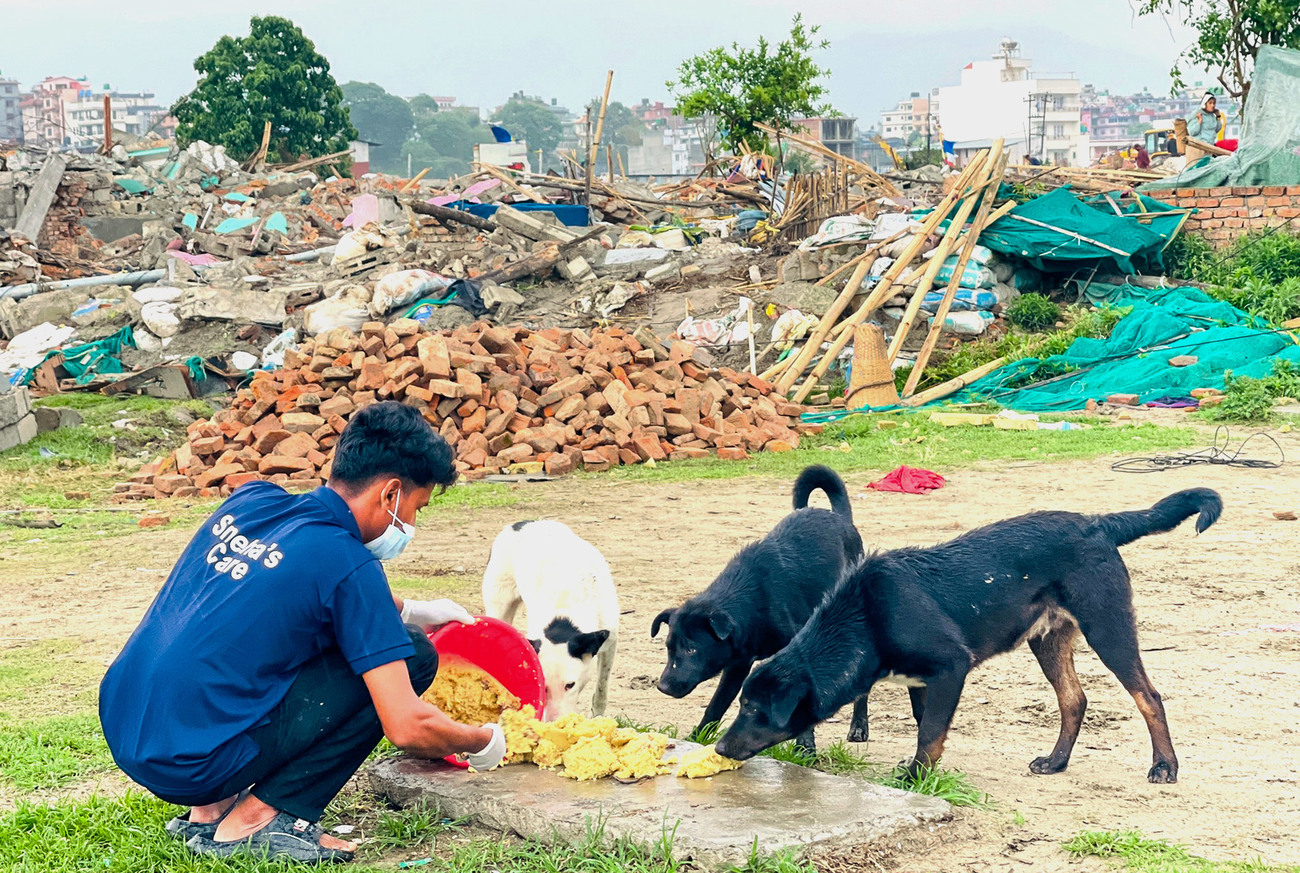
Sneha’s Care animal rescue operations in Nepal supporting animals left vulnerable after forced evictions in parts of Kathmandu, with support from IFAW. Photo: © Sneha’s Care
The emergency response is helping meet those immediate needs while supporting longer-term animal and community health. Through mobile veterinary care, emergency feeding, rescue, vaccination, and sterilization, teams are reaching individual animals in need and helping communities navigate the consequences of displacement.
Emergency care reaches hundreds of animals
During May and June, teams provided emergency feeding support to an average of 820 dogs each day through rotating feeding routes across priority communities. These routes are helping animals who lost reliable sources of food when families and informal caregivers were displaced.
Mobile veterinary teams also treated 120 animals suffering from injuries, illness, malnutrition, skin disease, and other health conditions. By bringing veterinary services directly into affected communities, teams can reach vulnerable animals who might otherwise have no access to care.
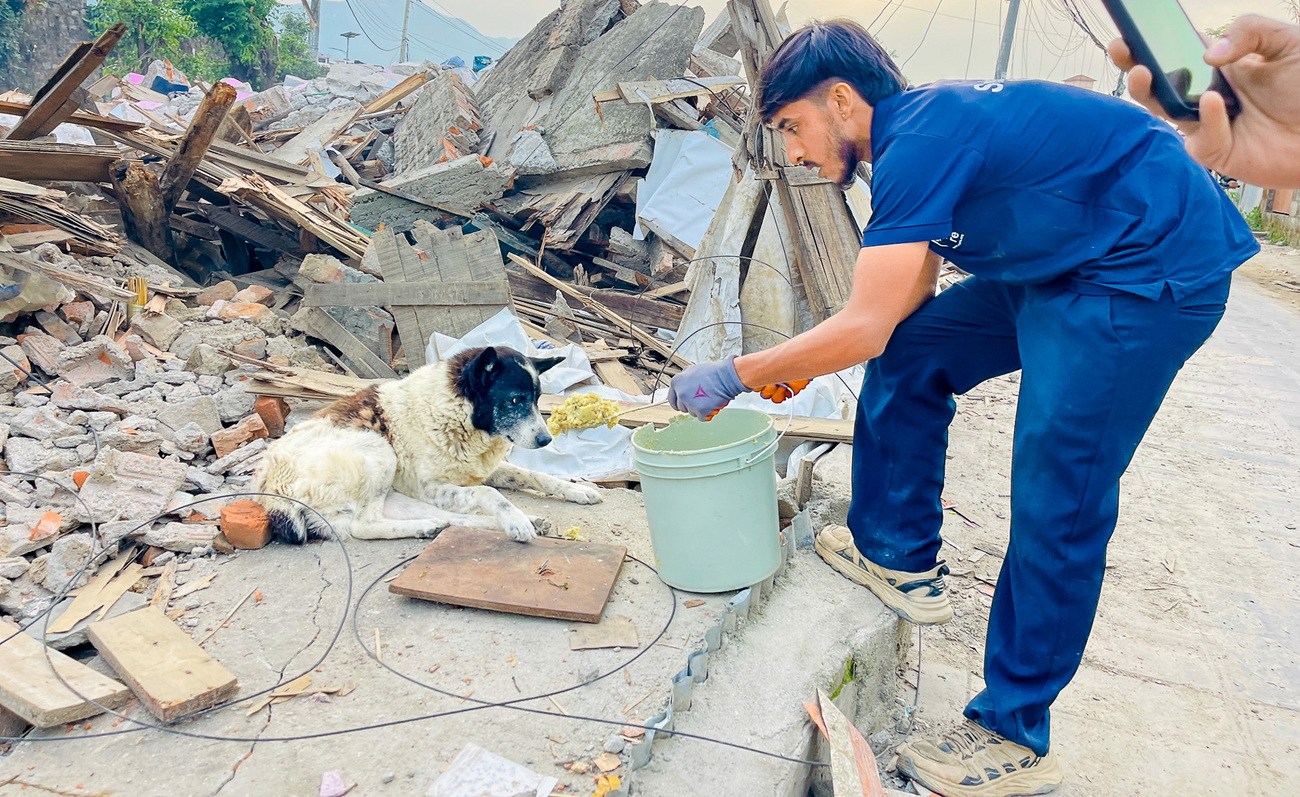
Sneha’s Care animal rescue operations in Nepal supporting animals left vulnerable after forced evictions in parts of Kathmandu, with support from IFAW. Photo: © Sneha’s Care
For animals requiring more intensive treatment, rescue teams transported 34 dogs to receive specialized veterinary care, temporary shelter, and time to recover. Teams also sterilized 350 dogs and vaccinated 750 against rabies, helping protect individual animals while supporting humane dog population management and reducing disease risks for animals and people.
The scale of the response is significant, but so is the ability to adapt. Evictions and demolitions took place with little advance notice, many families relocated several times, and access to affected areas changed quickly. Sneha’s Care teams are conducting ongoing assessments and adjusting feeding routes and mobile veterinary deployments so resources can be directed towards animals and communities with the greatest needs.
Guddi’s journey home
Among the dogs helped through the emergency response was Guddi, whose family was displaced when their settlement was demolished. Facing the immediate challenge of finding somewhere safe to live, Guddi’s family entrusted her temporarily to Sneha’s Care.
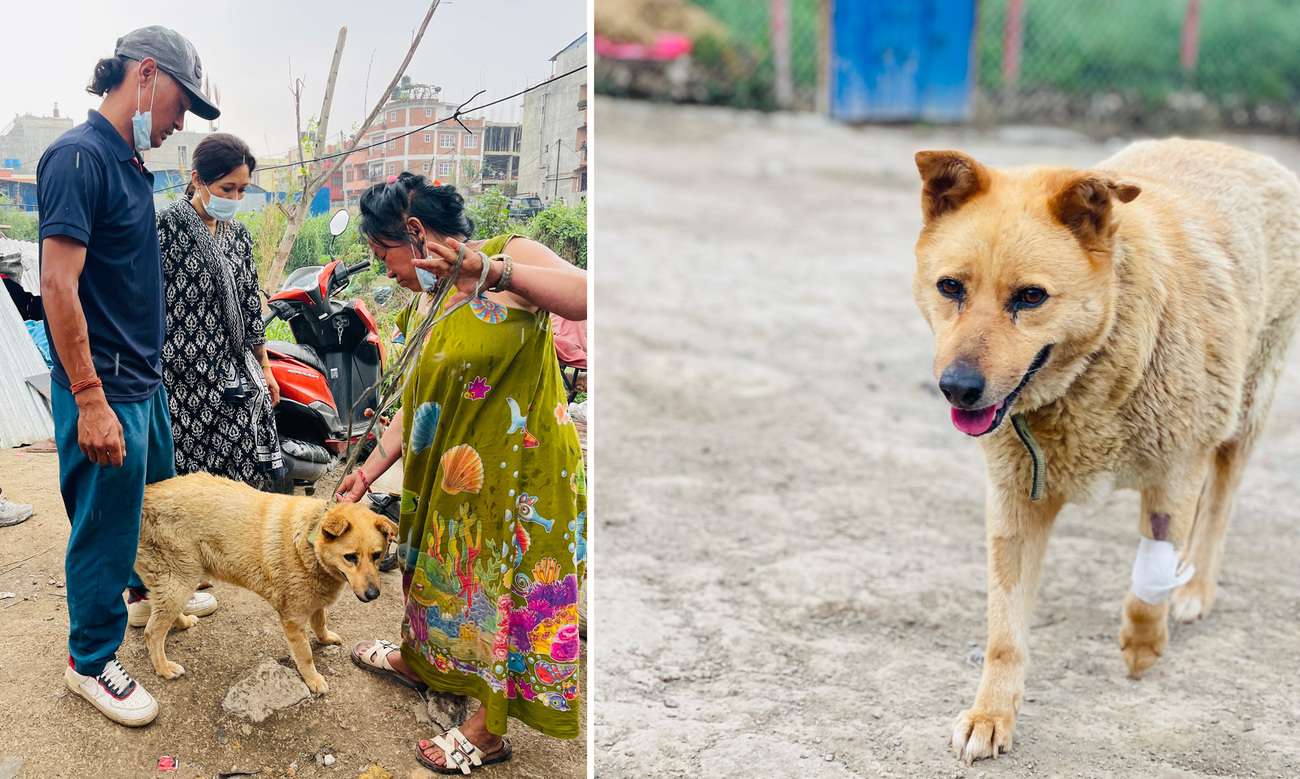
Guddi was reunited with her family after receiving care from Sneha's Care during the forced evictions in Kathmandu Valley. Photo: © Sneha’s Care
Guddi received food, shelter, veterinary care, and daily monitoring while the team remained in contact with her family. When their circumstances had stabilized enough for them to care for her again, Guddi was reunited with the people she knew.
Her journey home demonstrates why animals must be considered in humanitarian emergencies. Providing temporary care can prevent abandonment and unnecessary suffering while giving families facing extraordinary circumstances the opportunity to remain connected with the animals who are part of their lives.
The response has also reinforced the essential role that local communities and animal caregivers play during emergencies. Residents, volunteers, and other local stakeholders help teams identify vulnerable animals and changing needs, enabling assistance to reach animals more quickly as conditions evolve.
IFAW and Sneha’s Care will continue monitoring the situation and responding to animals affected by displacement. By combining emergency feeding, veterinary treatment, rescue, vaccination, and sterilization, the response is helping individual animals through the immediate crisis while supporting healthier, safer communities where people and animals live alongside one another.
Animals caught in Nepal's forced eviction crisis
May 29, 2026
Across parts of Kathmandu, Nepal, communities are facing forced evictions as authorities clear settlements along riverbanks and other areas of the city. As homes are rapidly demolished, families are being displaced, often moving into temporary accommodation where pets are not permitted.
The consequences for animals are immediate and severe. Dogs, cats, and community animals are being left behind amid the debris, without reliable access to food, shelter, or basic care.
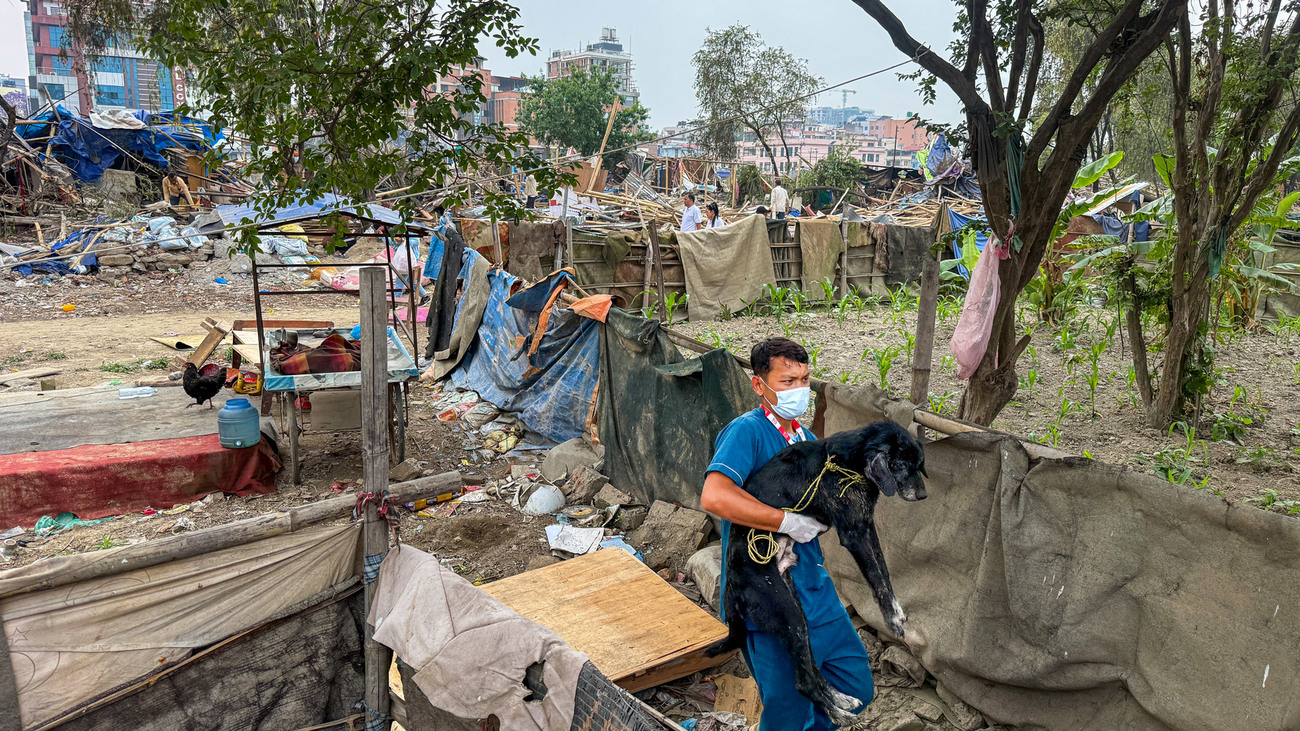
Sneha’s Care animal rescue operations in Nepal supporting animals left vulnerable after forced evictions in parts of Kathmandu, with support from IFAW. Photo: © Sneha’s Care
Displaced from familiar environments, animals are now exposed to extreme weather, injuries, and disease. Community animals that once relied on local residents for food and care suddenly find themselves on their own as conditions deteriorate.
Without intervention, these challenges compound quickly, leading to suffering on a significant scale and placing additional strain on already vulnerable communities.
Meeting urgent needs on the ground
A rapid assessment conducted by IFAW’s local partner, Sneha’s Care, highlighted urgent and emerging challenges for animals. These include widespread food insecurity, deteriorating health conditions, and low levels of preventative and urgent veterinary care.
With donor support, IFAW is backing Sneha’s Care to respond quickly to these needs and ensure animal welfare is prioritized during this period. The focus is on identifying and reaching the areas of highest need with timely, appropriate support.
Sneha’s Care is implementing a phased rapid-response program that includes:
- Mobile treatment for injured, sick, and vulnerable animals
- Targeted rescue of animals in critical condition requiring care and shelter
- Emergency feeding support for animals affected by the disruption
- Vaccination and sterilization efforts in high-density areas
- Provision of essential supplies to support personnel and animal transport
Alongside immediate relief, this work also aims to strengthen longer-term systems of care for animals in affected communities.
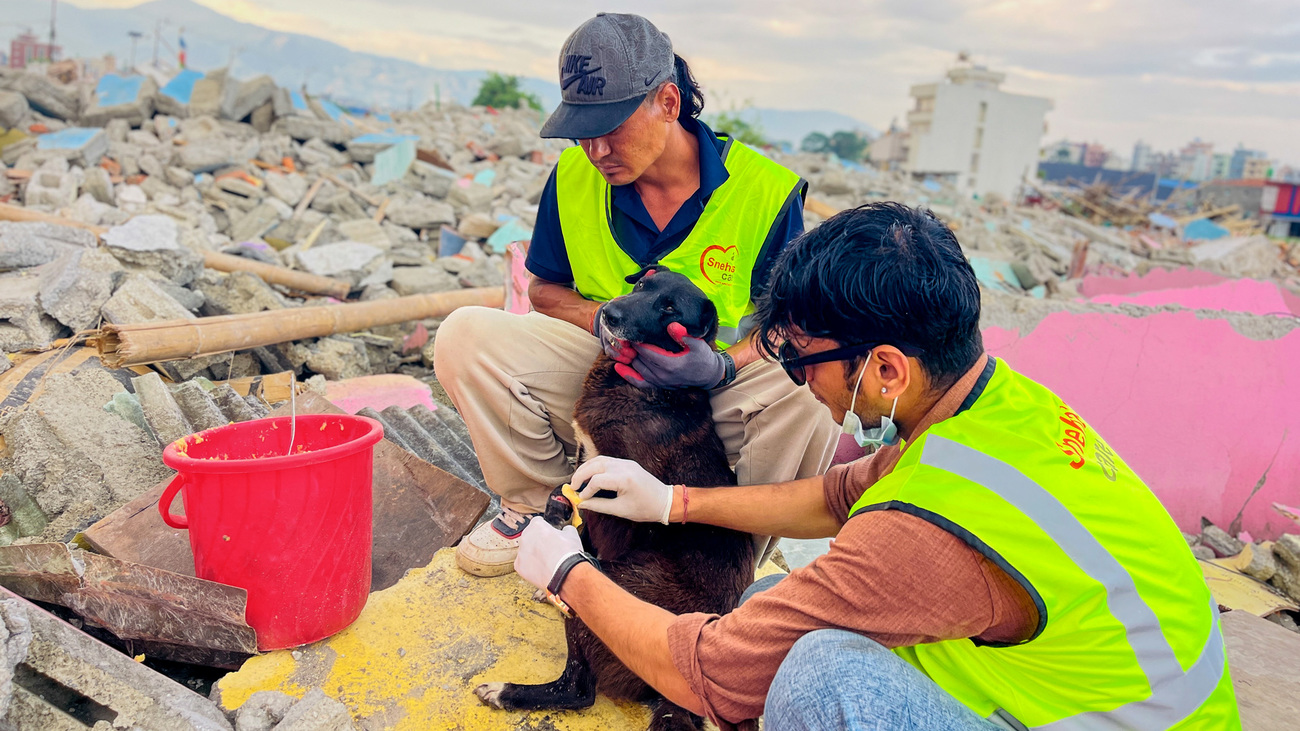
Sneha’s Care animal rescue operations in Nepal supporting animals left vulnerable after forced evictions in parts of Kathmandu, with support from IFAW. Photo: © Sneha’s Care
Dogs like Kalli feel the impact
Kalli, a gentle community dog, depended on the kindness of the local people living in the area before the demolition took place.
Surrounded by hazardous debris—strewn with sharp nails and rubble—she suffered a deep wound to her leg. Despite the pain, she continued to survive alone on the streets.
“Dogs like Kalli silently suffer the consequences of human actions, yet they continue to trust and wait for kindness,” said Sneha.
With IFAW’s support, Sneha’s Care has stepped in to deliver medical care for her and other injured animals.
How you can help
As the situation continues to expand, the needs on the ground will undoubtedly grow. With your support, more animals can receive lifesaving care.
Related content
Our work can’t get done without you. Please give what you can to help animals thrive.