Disaster Response
How IFAW is supporting animals and communities in Lebanon
How IFAW is supporting animals and communities in Lebanon
July 29, 2026
Emergency animal response reaches 42 communities in southern Lebanon
July 29, 2026
As conflict and displacement continue across Lebanon, IFAW-supported organisations are adapting their response to reach animals and people facing prolonged uncertainty. Local teams are providing food and essential care, rescuing animals when conditions allow, and supporting displaced families who are struggling to keep their animals with them.
In southern Lebanon, Give Me A Paw is providing food and parasite prevention support across 42 communities. Many areas have been fully evacuated, and as more families are displaced, calls to rescue animals continue. Most of the animals being reached are cats, along with dogs who can be more difficult to locate and approach.
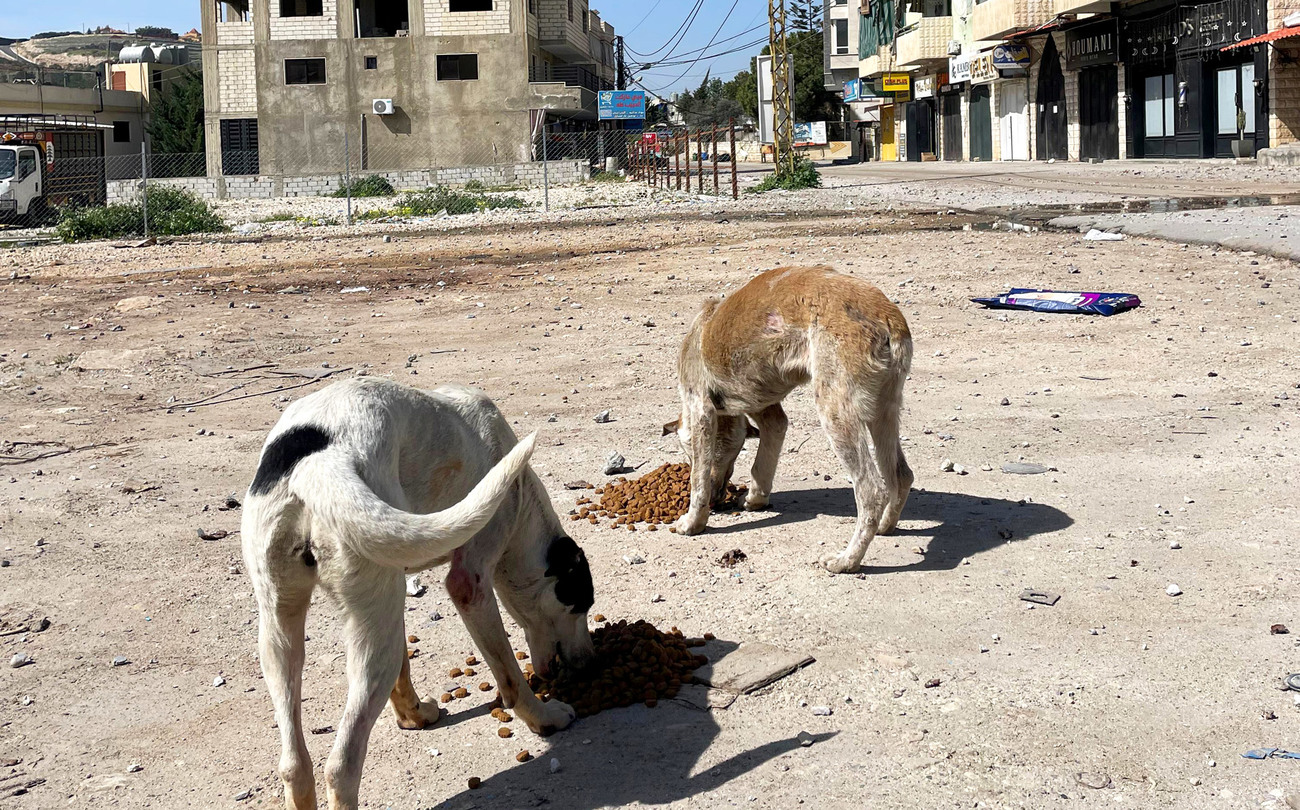
Local responders from Give Me A Paw provide food for dogs in southern Lebanon, helping ensure animals continue receiving care despite ongoing conflict and displacement. Photo: © Give Me A Paw
Local networks help reach animals in dangerous areas
Security conditions continue to shape how and where teams can respond. In areas where it is safe enough to operate, Give Me A Paw staff and volunteer feeders provide food directly to animals. Where conditions are too dangerous for animal welfare teams to enter, pet food is being distributed with the help of Lebanon’s Civil Defense.
These local networks are helping sustain care for animals as access conditions change. Residents who have remained in some communities are also caring for animals left behind. Animals Lebanon reports that, for some people living through the conflict, feeding and looking after these animals has provided a sense of purpose during an extraordinarily difficult time.
There have also been encouraging outcomes for individual animals. All of the animals rescued from a pet shop earlier in the crisis have now been adopted into homes.
Prolonged displacement creates new challenges
As the emergency continues, the needs facing animals and families are becoming more complex. Many displaced people have no home to return to, while others are staying in temporary accommodation where they cannot keep their pets. Local organisations are using foster homes and boarding facilities to care for these animals while working to preserve the bond between families and their pets whenever possible.
One family supported through this approach is Lolo's. Lolo, a dog undergoing cancer treatment, was separated from her guardian after conflict made veterinary care impossible to access in southern Lebanon. Give Me A Paw brought her into foster care and provided eight chemotherapy sessions while keeping her safe. Today, Lolo is cancer-free, and during a period of safer access, the team was able to reunite her briefly with her guardian, a reminder that even in times of conflict, the bond between people and their animals endures.
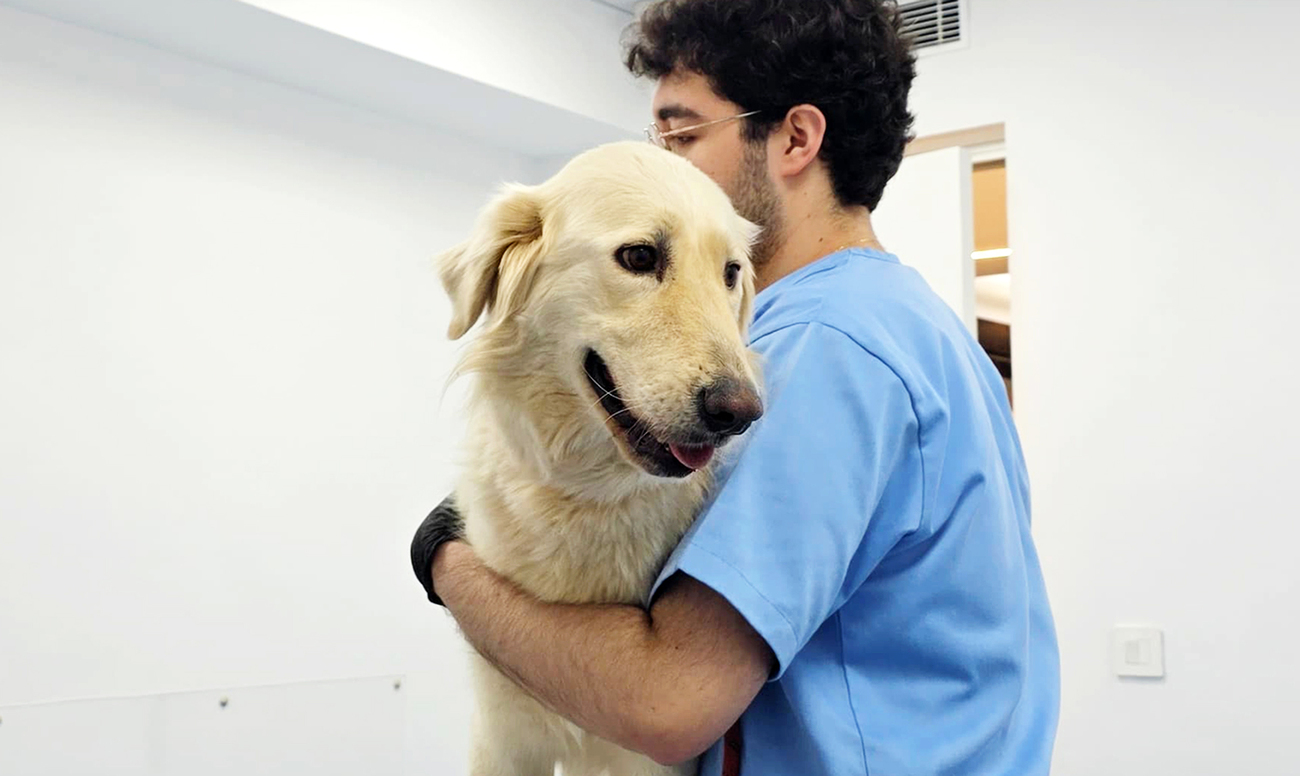
Lolo received lifesaving cancer treatment through Give Me A Paw while her guardian remained in conflict-affected southern Lebanon caring for animals in her community. Photo: © Give Me A Paw
Teams are also treating animals suffering from skin irritation and burns, while finding safe, affordable care for horses remains particularly challenging. Some horses have been transferred to Lebanese Wildlife, but appropriate accommodation and care for large animals remain significant needs.
The prolonged crisis is taking a toll on responders as well. Many staff members and volunteers have themselves been displaced or are supporting family and friends who have lost their homes. Local organisations have introduced measures to protect staff safety, manage workloads, and limit animal intakes, but the cumulative emotional strain remains considerable.
IFAW will continue working alongside local organisations as the situation evolves, supporting animals and displaced families while helping sustain the people leading the response. Local responders are caring for animals amid the same insecurity, displacement, and uncertainty affecting their communities. Ensuring they have the resources, partnerships, and support to continue their work will be essential both during this emergency and throughout the long recovery ahead.
Life-saving work continues, even as conflict in Lebanon worsens
April 9, 2026
The last several weeks in Lebanon have been intense and deeply distressing as the crisis has intensified. Increased airstrikes have rendered whole regions inaccessible, cutting off rescue teams entirely.
But still, they keep going. Our trusted local partners have been responding to animals day and night under extraordinarily difficult conditions. Because of these efforts, with IFAW’s support, hundreds of animals have been rescued, and thousands have gained access to food and water. Families doing everything they can to stay with their pets—including sleeping in tents on the street—are also receiving vital resources and hope.
The work has been relentless and emotionally heavy, but the outpouring of compassion and support from people like you has helped these partners continue lifesaving work where it’s needed most.
Here’s how our partners have been able to respond to this devastating crisis, in addition to their day-to-day work to support animals in need:
Teams have removed 241 animals from war zones. Additionally, they’ve distributed 731 kilograms of pet food, along with 132 pet carriers and 88 boarding cages to support displaced families. They’ve also supported five local partner groups to bring more animals to safety.
Give Me A Paw This dedicated team has rescued 132 animals, with 81 of them reunited with their families while continuing care for 56 others. They’ve also distributed 4,200 kilograms of pet food to displaced families and stray animals.
Lebanese Association for Migratory Birds (LAMB)
LAMB has saved a range of animals caught in the crisis, including one horse, 18 rabbits, two white storks, and two barn owls.
The days ahead will be difficult, but this lifesaving work can continue because this community cares. Thank you for being part of it.
Rescue teams reach animals amid ongoing strikes in Lebanon
March 24, 2026
As the conflict continues across Lebanon, IFAW is working urgently with local partners to reach animals caught in the chaos of ongoing strikes. Every day, rescue teams are entering dangerous areas, responding to desperate calls, and helping families stay together with the animals they love.
Aura and her kittens
As strikes continue to damage neighborhoods, more animals are suffering severe and life-threatening injuries. Some have fallen from buildings, others have been wounded by debris and shrapnel, and many dogs remain trapped in kennels or yards as families struggle to return home.
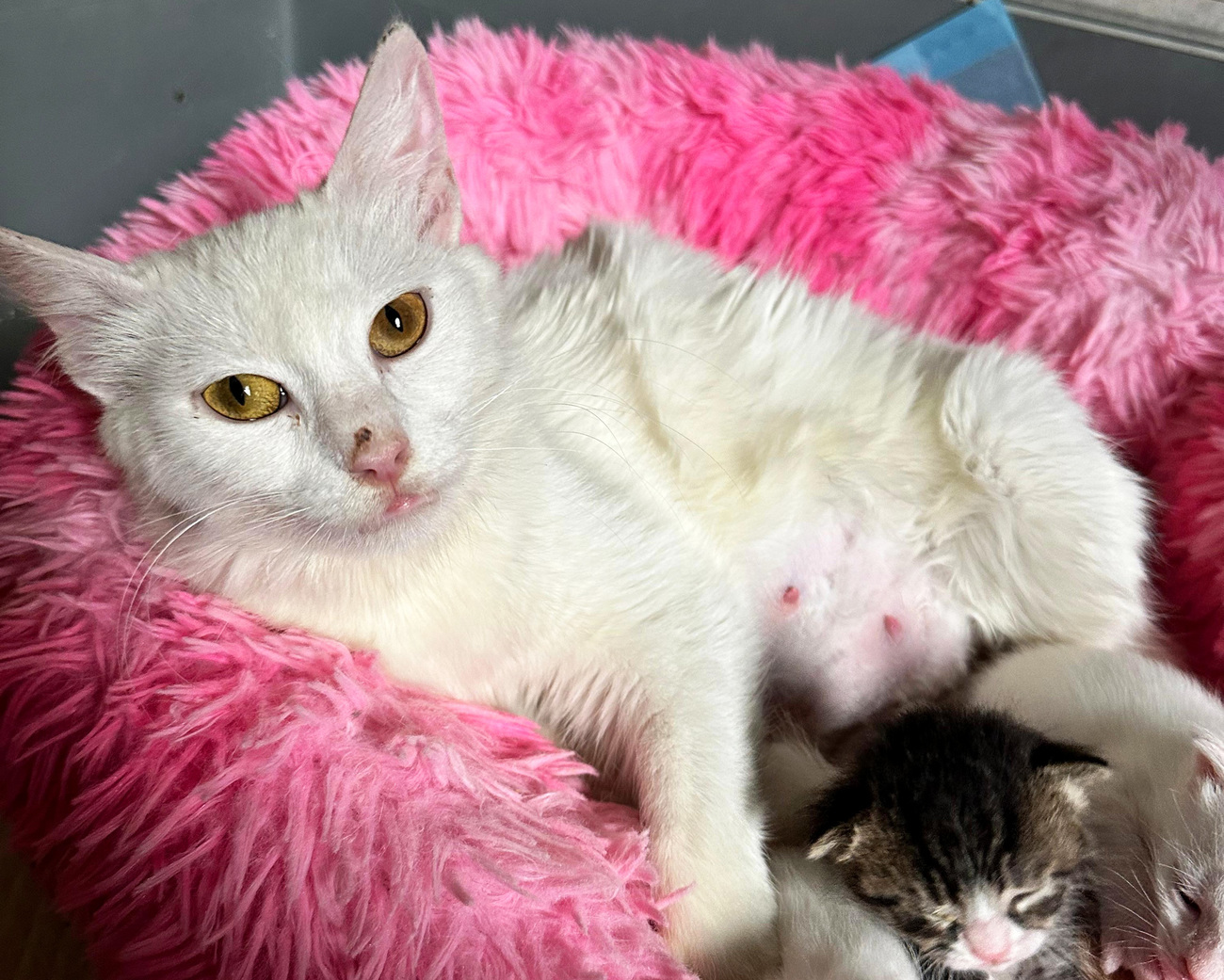
Aura and her kittens are receiving care and support with assistance from Animals Lebanon. Photo: © Animals Lebanon
Not every animal is reached in time—but Aura was one of the lucky ones. This gentle cat gave birth to four tiny kittens in the midst of the conflict, trapped in a dangerous area of Beirut where buildings have been reduced to rubble. It is hard to imagine how she managed to protect her newborns as explosions echoed around her.
Thanks to the dedication of local rescuers, and the support of people like you, Aura and her kittens are now safe. Her story is one of resilience—but also a reminder of how many animals are still waiting for help.
“Animals Lebanon has been at the front of this war, working every single day to help the animals and the people who love them,” said Reem Sadek, operations manager at Animals Lebanon.
Her team is receiving more than 100 requests a day from families seeking help—through calls, messages, emails, and in person. Many are trying to reach pets they were forced to leave behind while fleeing violence. Rescuers travel daily into high-risk areas, often on motorbikes, carrying cages and essential equipment to retrieve animals and bring them to safety. They are also feeding stray animals left behind in devastated neighborhoods.
“Many of these pets were not abandoned—they were left in fear and chaos because people had no choice,” Reem explained.
At the same time, Animals Lebanon is supporting displaced families with critical supplies, including food, carriers, and litter. These items can mean the difference between being able to evacuate with a pet or leaving them behind.
Beyond the physical support, their team is providing reassurance to people navigating immense uncertainty. “By helping their animals, we are helping people to hold on,” Reem said.
Our partner Give Me a Paw is also responding to overwhelming need. Their team has received more than 400 requests from people asking for help rescuing animals left behind in conflict zones. Despite ongoing danger and unpredictable strikes, they are entering affected areas daily to retrieve animals, often coordinating directly with families to access homes safely.
“We are making it every single day to the war zones and making sure we are rescuing the animals and bringing them back to safety,” said Stephanie Allaf, coordinator at Give Me a Paw.
Rescued animals are reunited with their families whenever possible, or placed in foster homes or temporary boarding, while teams also provide food and water to strays and urgent veterinary care to injured animals.
We will continue to share updates as we receive them. Thank you for standing with animals, and the people who care for them, during this crisis.
Rescues and reunions as partners persist amidst conflict in Lebanon
March 19, 2026
Despite ongoing instability, IFAW’s partners in Lebanon continue to rescue and care for animals affected by the conflict, working through weeks of exhaustion while remaining unwavering in their commitment to both urgent rescues and preparedness for the months ahead.
Dog rescued from abandoned pet shop reunited with family
Our partner Give Me A Paw (GMAP) recently rescued 12 dogs and two cats from an abandoned pet shop in an area affected by airstrikes. Sadly, some animals had already died before rescuers could reach the site.
Among the survivors was a senior French bulldog who was severely underweight and in need of veterinary care. After GMAP shared footage from the rescue online, a woman contacted the team, believing the dog might be her pet Benia, who had been stolen four years earlier. The dog was indeed a match, and the two were reunited after years apart.
The remaining rescued animals are malnourished and frightened after long periods confined to cages, and some require further medical treatment, including possible surgery. GMAP is now seeking foster homes to help them recover in safe environments while their rehabilitation continues.
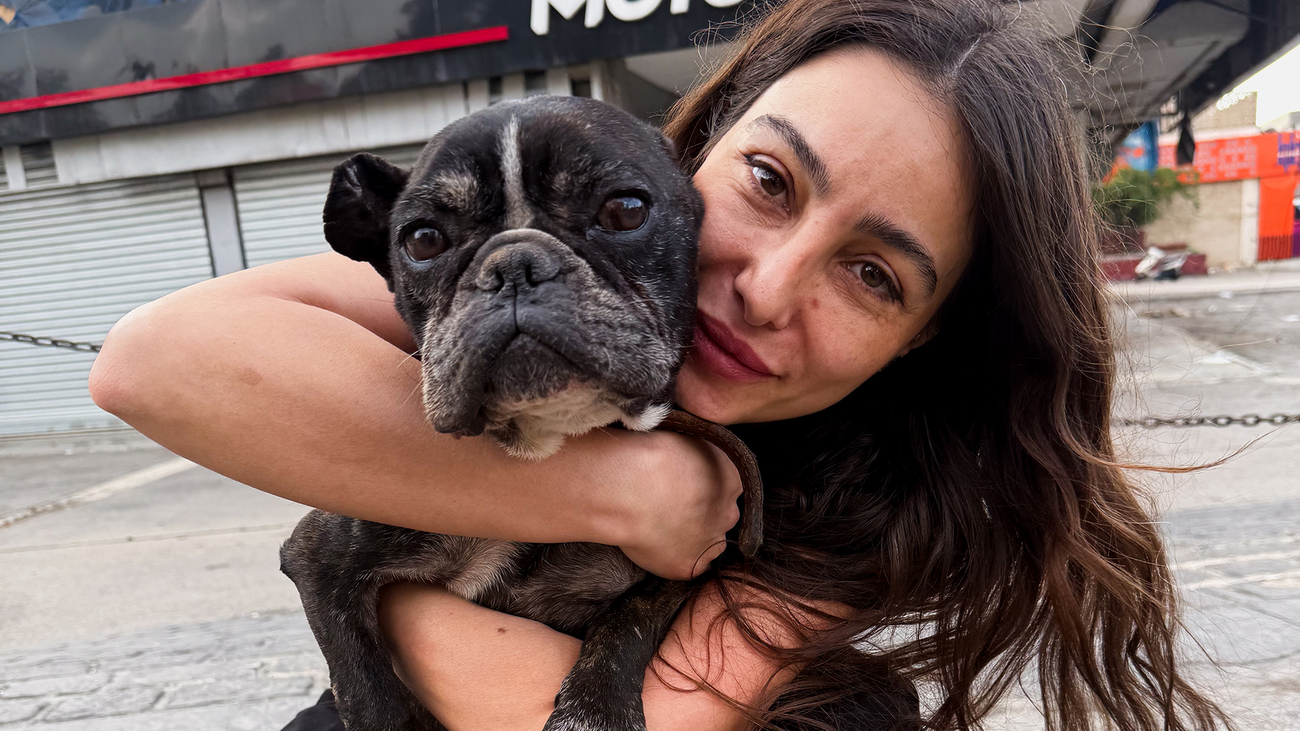
Benia the dog, rescued by Give Me A Paw from a pet store in an area affected by strikes in Lebanon, is reunited with her owner four years after being stolen. Photo: © Give Me A Paw
Horse displaced by conflict receives care
Meanwhile, our partner the Lebanese Association for Migratory Birds (LAMB) has taken in a horse named Amir, whose owner’s home and barn were destroyed during recent attacks. Amir, whose name means “Prince” in Arabic, is currently limping and will be examined by a veterinarian this week. With support from IFAW funding, LAMB is providing veterinary care and temporary shelter for Amir while his owner works to determine the next steps for his care.
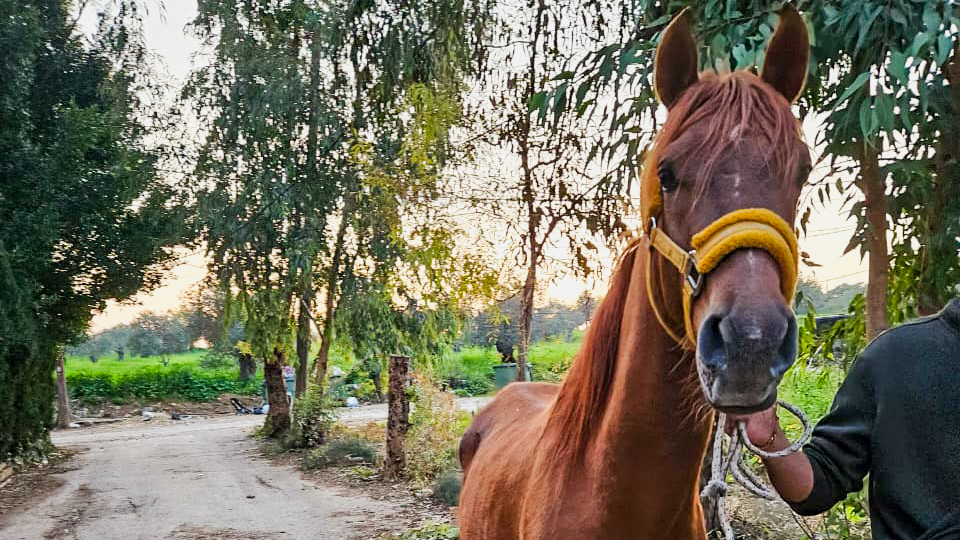
LAMB rescues Amir the horse after his owner’s home and barn were destroyed during strikes in Lebanon. Photo: © LAMB
Through emergency funding and long-standing partnerships, IFAW continues to support local responders who are working tirelessly to protect animals and help communities stay together with the animals they love during this difficult time.
Happening now: IFAW rushing emergency aid to partners in Lebanon amid conflict
March 10, 2026
The escalating conflict in the Middle East is having a direct and devastating impact on animals in Lebanon, and IFAW is rushing emergency aid to partners on the ground. With the situation changing rapidly, our partners are responding to urgent needs while working to keep both animals and their teams safe.
March 13, 2026
Animals Lebanon is receiving frequent calls from families seeking help evacuating pets they were forced to leave behind, or who were away from home when strikes occurred. At this time, they are focused on rescuing pets to reunite with owners and on animals injured during the strikes.
At the same time, the organization remains vigilant about the safety of its own shelter. With the ongoing risk of evacuation, their team is carefully balancing emergency rescues with contingency planning to ensure the animals already in their care remain protected.
Give Me a Paw is currently operating in the most heavily affected regions in southern Lebanon, supporting animals left behind in the chaos of attacks and rapid evacuations. The situation there remains incredibly unpredictable.
So far, they have brought nearly 100 animals to safety, reuniting many displaced pets with their families and placing others in foster homes or temporary boarding while owners find stability.
Additionally, they’ve distributed about 1,700 kg of pet food to stray animals, displaced families, and civil defense teams helping care for animals in inaccessible areas. This work is possible because our support helped them stock essential reserves in advance. In times of conflict, this level of preparedness can be life-saving as travel routes close and supply chains collapse.
Give Me a Paw also continues to provide urgent veterinary treatment for animals injured in the strikes.
Our third partner, Lebanese Association for Migratory Birds, reports that their team is currently safe and actively taking in animals. On top of their usual rescue activities, they’re helping those who are fleeing the southern areas with their animals at a secondary facility. We expect to receive more details as the situation develops and communication allows.
Thanks to the generosity of our supporters, IFAW has been able to strengthen capacity-building and disaster-readiness for our partners across Lebanon, ensuring they were as prepared as possible with pet food and supplies for moments like this.
We will continue to share updates as we receive information. Thank you for staying informed as this crisis unfolds.
Latest update on the Middle East
March 6, 2026
IFAW is continuing to closely monitor the evolving situation in the Middle East.
We’re doing everything we can to continue funding operations in Lebanon, as safety and conditions on the ground allow. At this time, our partners are safe and continuing to work tirelessly despite extremely difficult circumstances.
IFAW’s President and CEO, Azzedine Downes, shared his concerns:
“The war has affected many countries in the region including where we work and where our staff live. My first concern is for their safety and I remain in daily contact with staff in the Middle East.
We will do our best to continue funding operations, as safety and conditions on the ground allow. The situation is dangerous and worsening as the violence of war spreads. Everyone is under extreme pressure in a very difficult landscape.”
Our disaster response experts are receiving regular inquiries from people across the Middle East seeking guidance on how to evacuate safely with their beloved pets. We’re working hard to get them the urgent resources they need.
We’re also continuing to work closely with veterinary authorities to request emergency exemptions that would allow pets to remain with their families during evacuation. Many countries have implemented strict animal-health requirements to reduce the risk of disease to animals and people, and those regulations must still be followed even in crisis situations.
Our hearts are with all affected. We will continue to keep you informed as the situation unfolds.
Resources for pet evacuation and animal safety in the Middle East
If you are stranded or needing to evacuate urgently, we urge you to ensure your pets are travel ready and can remain with you at all times. Please don’t leave your pets behind. For guidance and support on what you’ll need to bring with you, see the resources below:
Lebanon
Animals Lebanon
+961 70 223 808
Contact@animalslebanon.org
Qatar
Send a message to the Paws Rescue Qatar page for guidance on what your pet needs to travel, and they will advise.
Saudi Arabia
For emergency pet travel in Saudi Arabia, immediately contact the Ministry of Environment, Water and Agriculture (MEWA) via the NAAMA portal to obtain required exit permits. For rapid evacuation assistance, contact your embassy, your sponsor/employer for documentation support, and local specialized pet relocation agents to expedite urgent cargo or cabin travel arrangements.
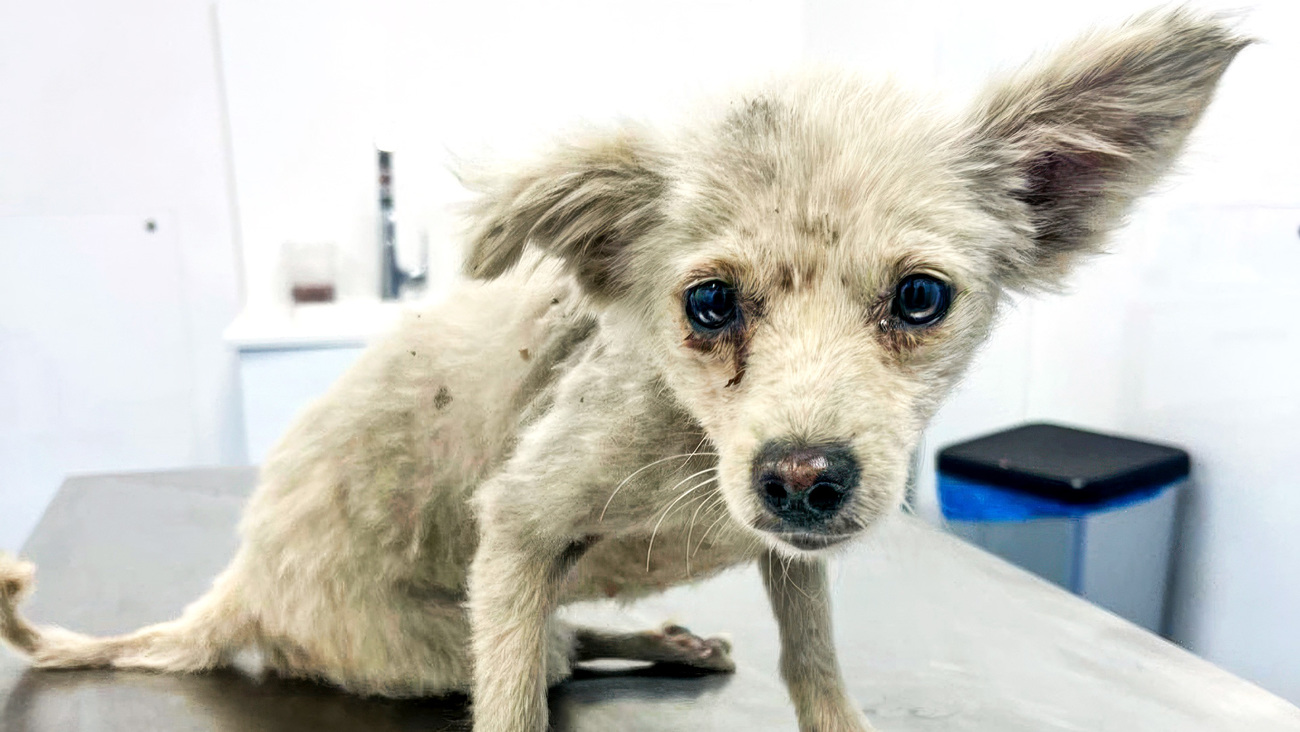
A dog evacuated from southern Lebanon during the 2024 conflict and cared for by Give Me A Paw. Photo: © Give Me A Paw
How IFAW is supporting animals and communities in Lebanon
March 4, 2026
Lebanon continues to face a range of humanitarian challenges impacting communities and animals alike.
Over the past year, the country has endured ongoing strikes despite a 2024 ceasefire, leaving border areas heavily damaged and slowing urgent reconstruction efforts. The recent Israel and US-Iran escalation and resulting attacks have now pushed tensions even higher, placing the country at increased risk of further instability.
During these times of uncertainty, families may be displaced or separated from their pets, and local shelters and rescue groups often experience increased pressure as they work to provide safety and urgent care.
IFAW has a longstanding partnership network supporting animal rescue efforts in Lebanon
For more than a decade, IFAW has supported partners in Lebanon with emergency funding, veterinary care, food and supplies, and help for pet owners navigating difficult circumstances.
We remain in close contact with our three long-standing partners there to understand emerging needs and determine how we can best support their efforts.
And just last month, we awarded capacity building grants to all three partners to help purchase urgently needed supplies and equipment to increase their readiness for future disasters. As conditions evolve, we’re working with each team to reassess plans and redirect support where it’s needed most.
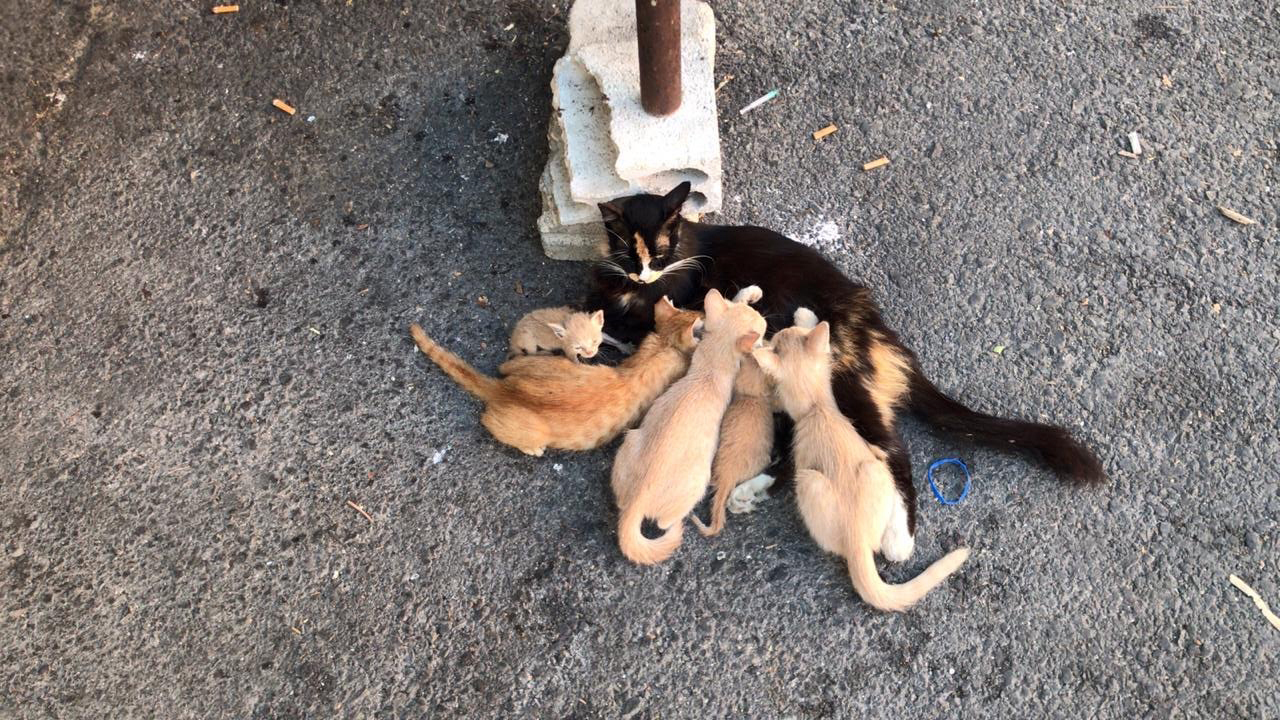
A cat is spotted by the Animals Lebanon rescue team in a destroyed building in Beirut, Lebanon during the 2024 conflict. Photo: © Animals Lebanon
Our partners in Lebanon include:
Animals Lebanon
A long-time partner of IFAW, their team is providing veterinary care for injured animals, food and supplies for displaced pets, and support for people evacuating with their pets. They also help rescue and transport animals left behind when owners call their hotline.
Give Me A Paw
This dedicated team is helping families evacuate with their pets and is carrying out numerous rescues for animals left behind to reunite them with their families. They are ensuring food and supplies reach pets in need and providing care for injured animals.
Lebanese Association for Migratory Birds (LAMB)
This team typically focuses on wildlife rescues, but in times of crisis they help all animals. Their teams stand ready to help save animals trapped in abandoned areas and have the expertise to care for birds, tortoises, rabbits, and other wildlife in need of specialized care.
Lebanon resources
If you must evacuate, please take your pets with you. Pets left behind face danger and difficulty accessing food and water. An emergency packing list for pets is below.
- Food & water: At least 5–7 days of food (canned/dry), potable water, and bowls.
- Medical & health: Two-week supply of medications, medical records/vaccination history in a waterproof container, and a first-aid kit.
- Safety & transport: Secure, labeled carrier or crate, leash, harness, and extra collar with ID tags.
- Sanitation: Cat litter, litter box/pan, scooper, garbage bags, and disinfectant for waste disposal.
- Comfort & identification: A familiar blanket/bedding, favorite toys, and current photos of your pets (to prove ownership if separated).
- Small pets/other: Muzzle (if necessary for safety), extra cleaning supplies, and specific supplies for small animals (e.g., covers for bird cages, pillowcases for reptiles).
For assistance with pets:
- Animals Lebanon
+961 70 223 808
Contact@animalslebanon.org - Give Me A Paw
For personal needs, reach out to the Lebanese Red Cross, which is equipped to assist with emergency shelter, relief, and health services.
Related content
every problem has a solution, every solution needs support.
The problems we face are urgent, complicated, and resistant to change. Real solutions demand creativity, hard work, and involvement from people like you.