Disaster Response
Wildlife caught in Spain’s devastating wildfires
Wildlife caught in Spain’s devastating wildfires
September 16, 2026
Decades of conservation help protect wildlife from Spain’s fires
As GREFA's teams continue responding to the devastating wildfires across central Spain, a clearer picture is emerging of the impact on some of the region's most vulnerable wildlife.
The fires that affected the Sierra Oeste de Madrid and neighboring areas of Ávila and Toledo in late July burned across tens of thousands of hectares, damaging breeding territories, feeding grounds, and important ecological corridors. Among the affected areas are habitats of threatened species that GREFA has worked for decades to protect, including cinereous vultures, Bonelli's eagles, Spanish imperial eagles, and golden eagles.
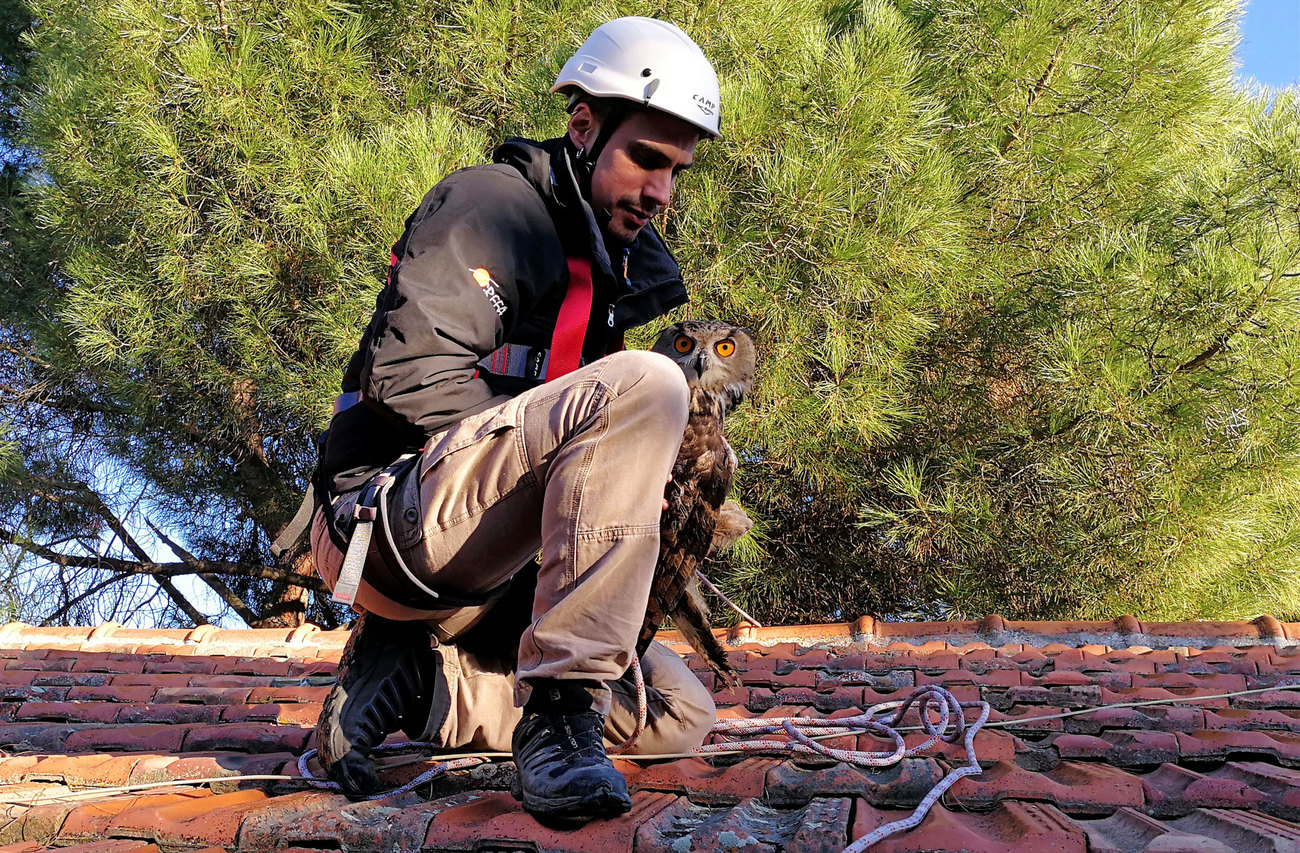
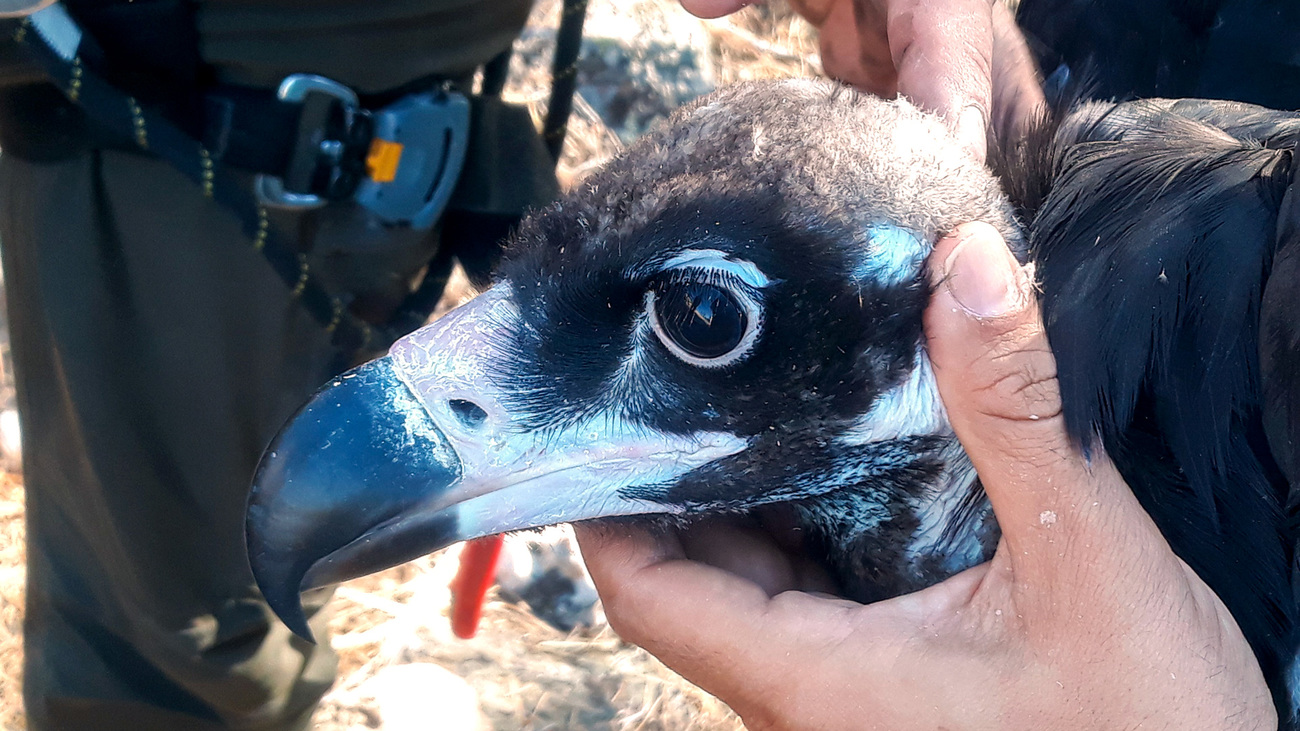
GREFA’s Rescue Team responds to wildlife in need in Spain. These images are from similar rescue operations and do not depict the current wildfire response. Photo: © GREFA
Hope for Bonelli's eagles amid devastation
The fires entered several territories inhabited by Bonelli's eagles in the Sierra Oeste de Madrid, where GREFA carries out extensive monitoring and reintroduction work. These long-term efforts have helped prevent the species from disappearing from the Madrid region and contributed to its ongoing recovery.
Encouragingly, monitoring so far suggests that no Bonelli's eagles were lost to the fires.
The situation for cinereous vultures remains more concerning. Some chicks had not yet fledged their nests when the fires arrived, including in the large breeding colony in the Iruelas Valley in Ávila, where protected habitat was severely affected. More chicks from colonies in the Sierra Oeste de Madrid and surrounding areas were also impacted.
Several injured cinereous vulture chicks have been admitted to GREFA's Wildlife Hospital for treatment, alongside other wild animals suffering from burns and injuries. For species already facing conservation challenges, the loss of breeding animals, young, and precious habitats can have consequences long after the flames are extinguished.
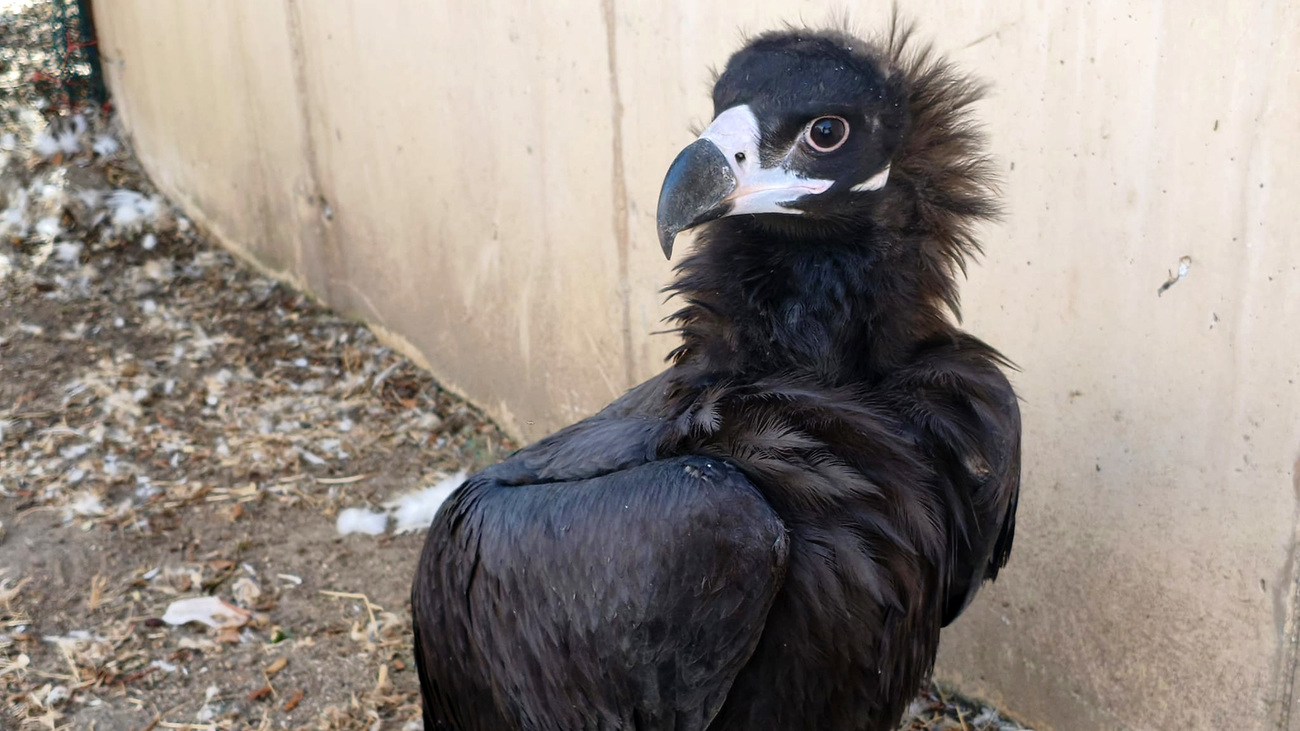
A cinereous vulture fledgling rescued after falling from its nest during the wildfires in central Spain receives care at GREFA’s Wildlife Hospital for burns and other injuries. Photo: © GREFA
GPS tracking helps teams respond
Technology used as part of GREFA's long-term conservation work is also supporting the work of rescue teams.
Many animals GREFA monitors carry GPS transmitters, enabling teams to track their movements as fires spread, identify potential problems, and coordinate rescues when animals are in danger.
The fact that the same tools used to monitor and restore wildlife populations are proving invaluable during an emergency shows how long-term investment in conservation can strengthen disaster response.
Tracking individual vultures through the fires
This has proved particularly true for cinereous vultures. During one recent fire, wildland firefighters contacted GREFA for the locations of known cinereous vulture nests so they could account for the birds when planning firefighting operations.
At this time of year, fledglings are particularly vulnerable. Although already large, young vultures may not yet have the flying skills to escape an approaching fire.
One of the nests being closely watched belonged to Escobalón, an adult cinereous vulture GREFA has tracked since 2009, and his fledgling. As the fire approached, the team feared the young bird would become trapped. Fortunately, both birds survived. A remarkable photograph captured the fledgling holding tight to the nest alongside its parent as a helicopter dropped water nearby.
However, not every young vulture escaped unharmed. GREFA's Wildlife Hospital received another fledgling that had fallen from its nest during the fires. The young bird survived but suffered burns and other injuries and is now receiving treatment and rehabilitation. The team hopes that, once fully recovered, it can be released back into the wild.
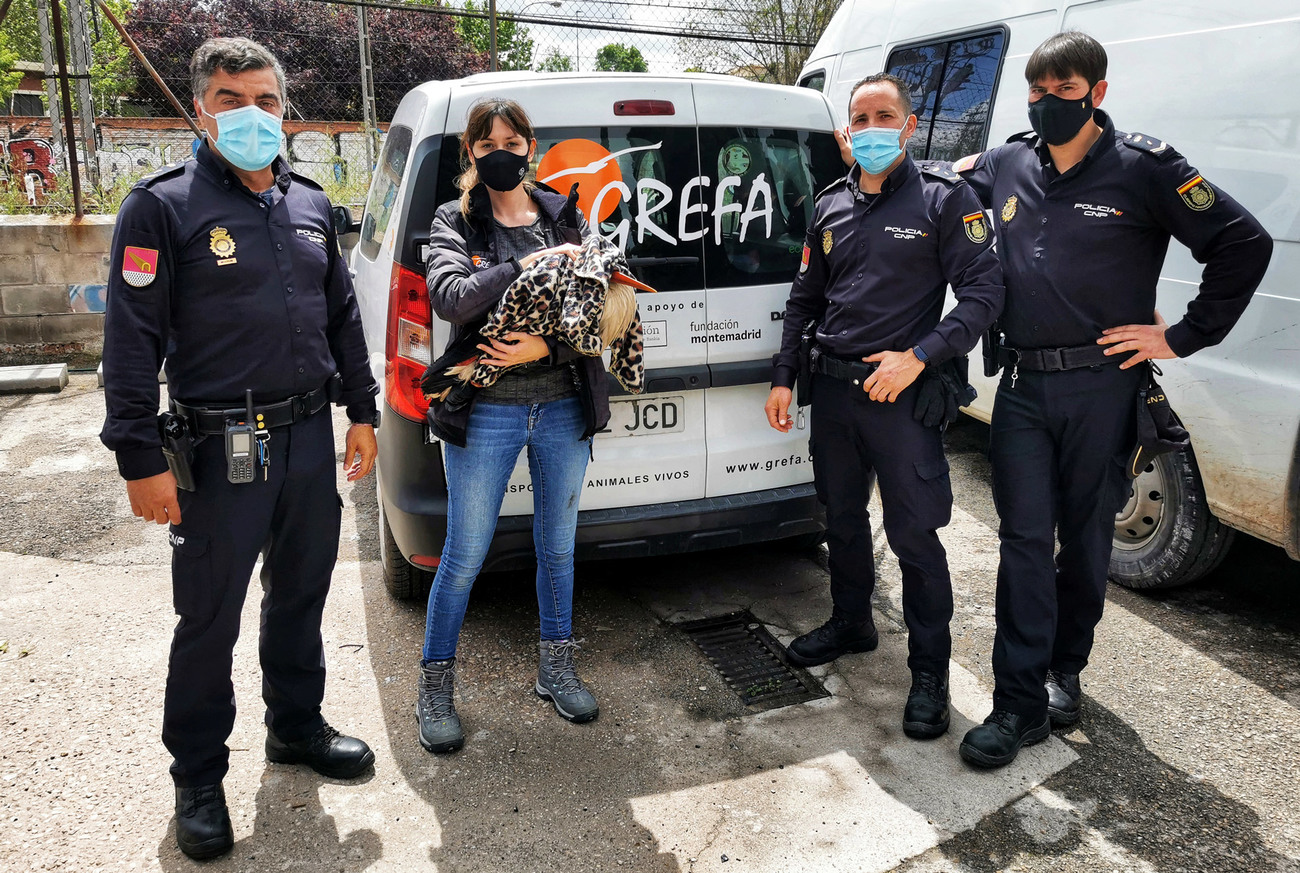
GREFA’s Rescue Team responds to wildlife in need in Spain. These images are from similar rescue operations and do not depict the current wildfire response. Photo: © GREFA
Each individual contributes to conservation
Every one of these birds matters. Cinereous vultures are classified as vulnerable on the IUCN Red List. Protecting individual breeding birds and their young contributes to the recovery and resilience of the wider population.
Their stories also demonstrate the value of conservation work carried out long before disaster strikes. Years of monitoring meant GREFA knew vulnerable birds’ locations when the fires started and could share that information with firefighters.
GREFA's teams continue to assess affected areas and care for animals arriving at its Wildlife Hospital, with support from IFAW. We will continue to share updates as our partners continue caring for affected animals.
IFAW supports emergency wildlife response as fires threaten animals and habitats
August 25, 2026
Wildfires across Spain are putting wildlife, communities, and habitats at risk during another severe summer of extreme heat and fire.
In the Community of Madrid, fires have threatened areas where wild animals live alongside people, leaving wildlife injured, displaced, or in need of emergency care. One major fire began in San Martín de Valdeiglesias on 23 July, prompting an urgent response for animals in affected areas.
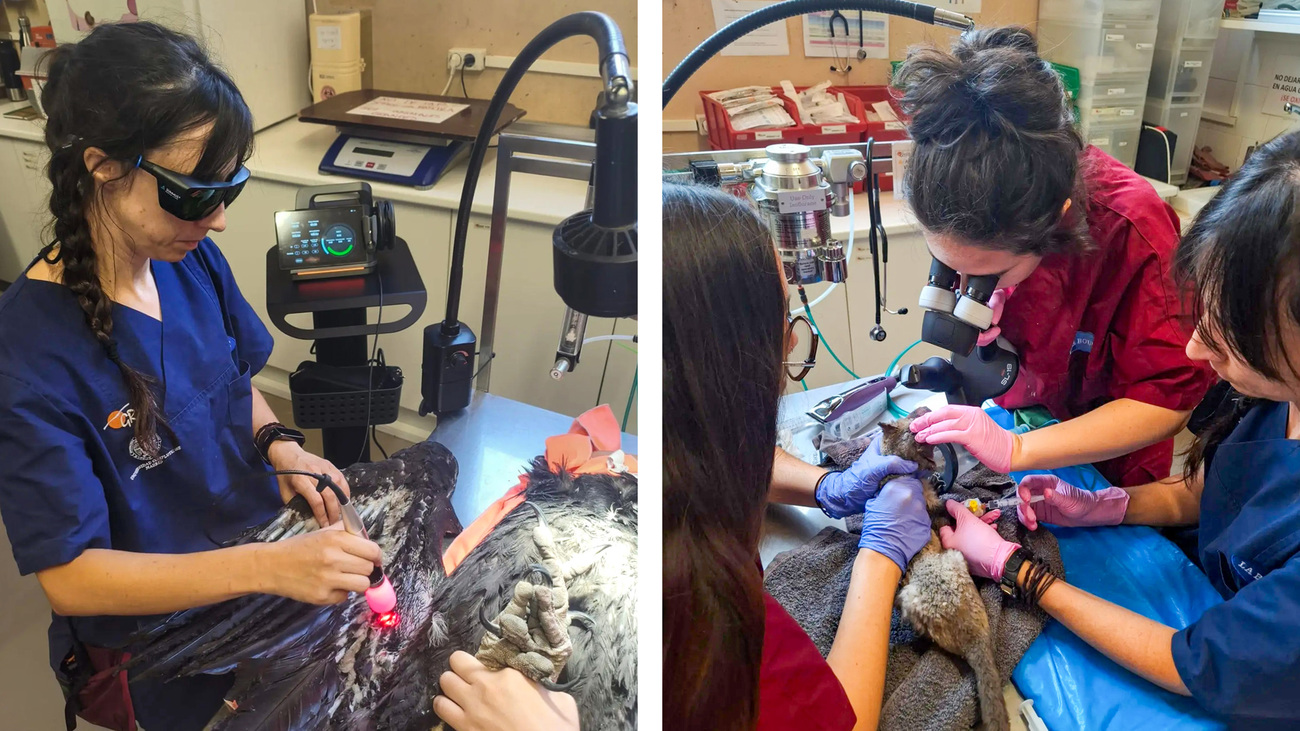
Veterinary teams at GREFA’s Wildlife Hospital provide treatment and care to wild animals affected by the devastating 2026 wildfires in central Spain, with emergency support from IFAW. Photo: © GREFA
IFAW is providing emergency support to GREFA, Grupo de Rehabilitación de la Fauna Autóctona y su Hábitat, a wildlife rescue and rehabilitation organization that has become a critical point of care for wild animals affected by the fires.
As of IFAW’s initial response, 71 wild animals have required GREFA’s support as a result of the fires, including 45 injured or at-risk animals admitted directly to its wildlife hospital and 26 animals evacuated from educational facilities and zoological centrers threatened by the emergency.
Wild animals from 17 species need emergency care
The 45 injured or at-risk animals admitted to GREFA represent 17 different species, illustrating how a wildfire can affect wildlife across an entire landscape.
Among them are common house martins, barn swallows, wood pigeons, European bee-eaters, house sparrows, and other birds. GREFA has also received birds of prey including two cinereous vultures, a red kite, a European honey buzzard, a barn owl, and a little owl.
Mammals requiring support include a roe deer, fallow deer, stone marten, and wild boar.
Each animal represents a different challenge for GREFA’s wildlife veterinarians and carers. Some require immediate veterinary treatment, while others may need ongoing rehabilitation before they can return to the wild.
Every individual animal matters, and for threatened species, saving one animal can also contribute to the recovery of the wider population. Raptors, insect-eating birds, scavengers, and mammals all play different roles in healthy ecosystems. Helping wildlife survive and recover is one part of helping landscapes recover following disaster.
A safe refuge from the fires
GREFA’s role has extended beyond treating injured wildlife.
As the fires threatened other animal facilities, 26 additional wild animals were evacuated to GREFA for their safety. Predominantly birds of prey, they included a golden eagle, Bonelli’s eagle, peregrine falcon, Eurasian eagle-owl, griffon vulture, black kites, barn owls, kestrels, and other wildlife.
GREFA provided temporary accommodation and quarantine for the animals for six days, until authorities determined it was safe for them to return.
This ability to respond quickly is critical during a fast-moving disaster. As one of Europe’s largest wildlife rescue and rehabilitation centers, GREFA receives reports of animals in distress, deploys teams to collect and rescue wildlife, and provides veterinary treatment and rehabilitation at its wildlife hospital. Its emergency telephone service operates every day of the year.
Veterinary teams at GREFA’s Wildlife Hospital provide treatment and care to wild animals affected by the devastating 2026 wildfires in central Spain, with emergency support from IFAW. Photo: © GREFA
IFAW provides emergency support
With the wildfire response creating additional demands on GREFA’s staff, hospital, and resources, IFAW is providing emergency funding to support its work.
Our support will help cover the additional costs associated with wildlife rescue, veterinary treatment and rehabilitation, transport, animal food and daily care, staffing, and temporary quarantine.
For an animal caught in a wildfire, rescue is often only the first step. Depending on its injuries, recovery can require specialist veterinary treatment followed by days, weeks, or potentially months of rehabilitation.
Supporting organizations such as GREFA helps ensure that trained local responders have the resources to act when animals need them most, from the moment an animal is reported or rescued through treatment and, wherever possible, its eventual return to the wild.
Helping animals through a changing climate
Wildfires can have consequences for wildlife long after the flames have passed. Animals that survive may be injured or displaced, while the loss of vegetation can leave them without the food, water, shelter, and nesting sites they depend on.
These impacts also place growing pressure on the people working to protect them. Wildlife rescue teams, veterinarians, rehabilitators, volunteers, and local communities can all play a role in helping animals survive and recover.
As extreme weather increases the risk and severity of disasters in many parts of the world, investing in local response capacity is increasingly important. IFAW works with local partners so that expertise and resources are available where they can make the greatest difference for animals and communities.
In Spain, that means standing alongside GREFA as its teams continue caring for wildlife affected by this summer’s fires.
Related content
every problem has a solution, every solution needs support.
The problems we face are urgent, complicated, and resistant to change. Real solutions demand creativity, hard work, and involvement from people like you.