Rescuing animals during disasters - United States
In a disaster, animals can’t ask for helpIFAW supports emergency animal response after Venezuela earthquakes
IFAW supports emergency animal response after Venezuela earthquakes
June 29, 2026
IFAW supports emergency animal response
June 29, 2026
As recovery efforts continue following the devastating earthquakes in Venezuela, IFAW has awarded an emergency grant to long-time partner Red de Apoyo Canino (RAC) to help animals affected by the disaster. More than 1,450 people have been confirmed dead, over 3,150 have been injured, and at least 12,700 people are displaced or missing as communities begin the long road to recovery.
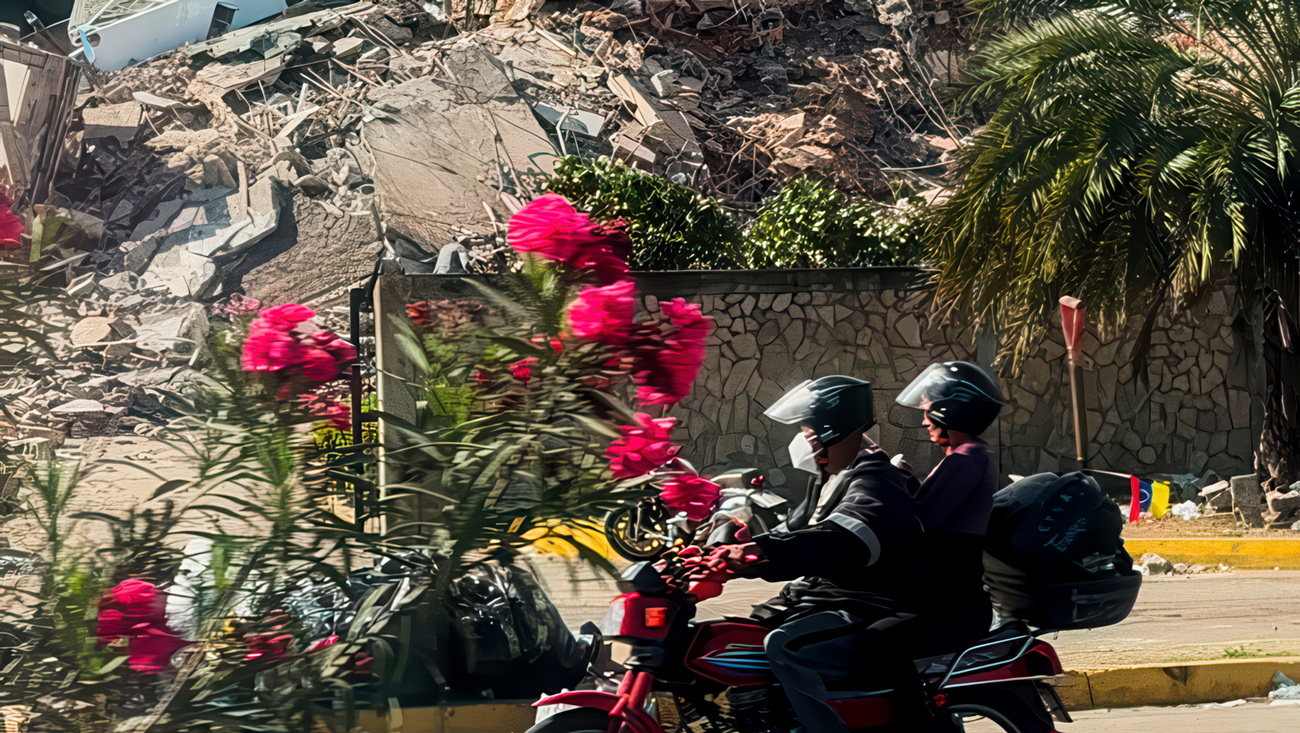
IFAW is supporting our partner Red de Apoyo Canino's response efforts after two tragic earthquakes in Venezuela. Photo: © Red de Apoyo Canino
As humanitarian efforts continue, the need for animal care is also growing. Many companion animals have been injured, displaced, or separated from their families, while damaged infrastructure and disrupted supply chains have made it difficult to access food, clean water, and veterinary care. Supporting animals during disasters also helps the people who depend on them, whether as beloved companions or working animals that support livelihoods.
"Following a disaster of this scale, the priority is always saving human lives. As that response continues, animals also need urgent care, and many families are desperately trying to find beloved pets that became separated during the chaos," said Dr. Erika Flores, IFAW Program Officer for Animal Rescue and a trained Urban Search and Rescue responder.
"By supporting trusted local partners who already know their communities, we can help ensure animals receive lifesaving care while also helping people begin the long process of recovery. These trusted local partnerships allow us to reach animals quickly while allowing humanitarian responders to remain focused on lifesaving efforts."
Helping animals on the ground
This is the third time IFAW has partnered with RAC, a Venezuelan animal welfare organization with more than 20 years of experience serving animals and communities.
Our emergency support is helping RAC fund:
- medical supplies,
- animal food,
- clean water,
- the establishment of emergency veterinary clinics,
- and the transport of aid to affected communities.
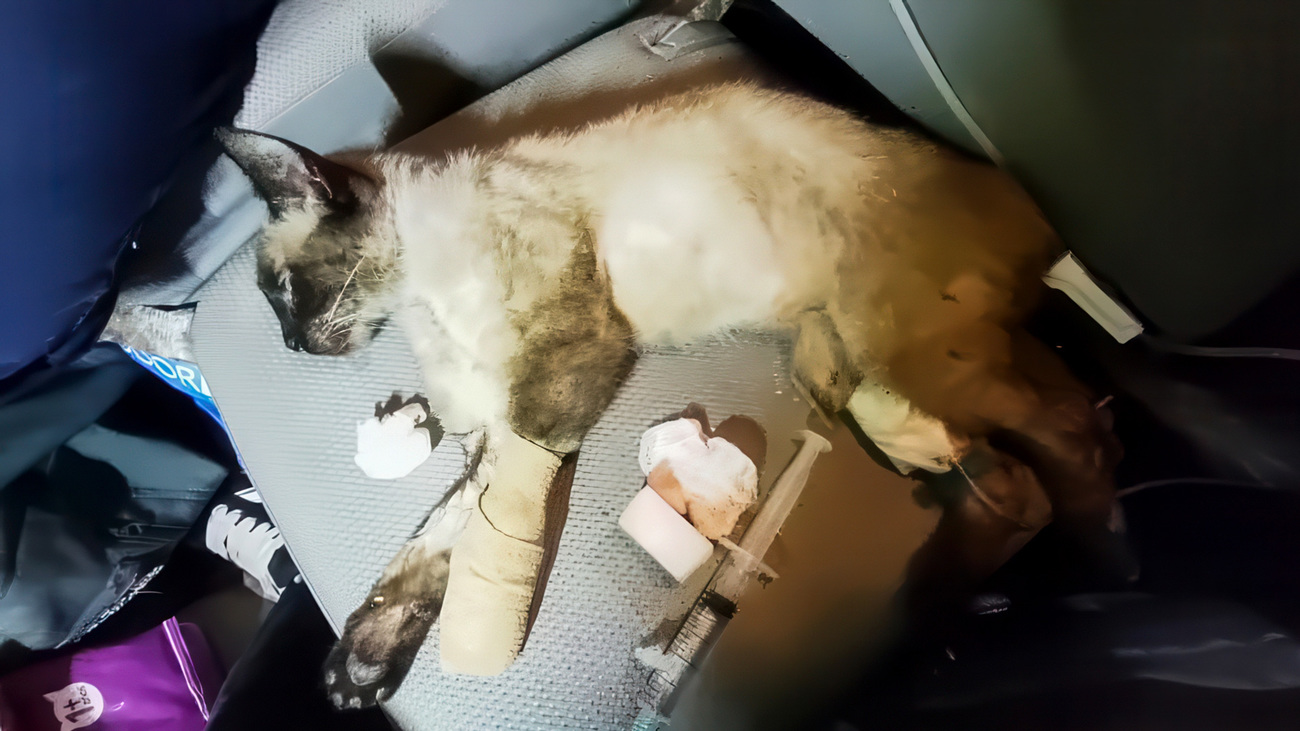
IFAW is supporting our partner Red de Apoyo Canino's response efforts after two tragic earthquakes in Venezuela. Photo: © Red de Apoyo Canino
The response is already underway. RAC has established a free veterinary clinic in Caracas, where veterinarians are treating injured animals and coordinating requests for assistance through a dedicated WhatsApp service. Veterinary teams are also preparing to deliver medicines and emergency food supplies to coastal communities as access allows, while collection and distribution centers have been established to help ensure aid reaches animals and the families caring for them.
RAC is also drawing on its existing community food bank network to help distribute emergency animal food, despite supply chain challenges that existed even before the earthquakes. A dedicated Facebook group is helping to reunite families with missing pets.
As communities begin the long road to recovery, IFAW will continue working alongside trusted local partners to assess evolving needs and ensure animals—and the people who care for them—receive the support they need in the days and weeks ahead.
Venezuela earthquakes leave people and animals in urgent need
June 25, 2026
Two powerful earthquakes measuring magnitude 7.2 and 7.5 have struck northern Venezuela, causing widespread destruction across Caracas, La Guaira state, and surrounding communities. Homes, hospitals, roads, and other critical infrastructure have collapsed or sustained severe damage, leaving at least 164 people dead, nearly 1,000 injured, and thousands still unaccounted for as search and rescue efforts continue. Power outages, damaged communications, and ongoing aftershocks are hampering rescue operations, while international humanitarian teams begin arriving to support the response.
While the immediate priority is saving human lives, disasters of this scale also have profound consequences for animals. Community animals can become trapped or separated from their families, livestock and working animals may lose access to food, water, and veterinary care, and wildlife habitats can be disrupted. As emergency operations progress and needs assessments become clearer, experience from previous earthquakes suggests there will likely be growing demand for emergency veterinary care, temporary sheltering, pet reunification, and support for local animal responders.
IFAW is closely monitoring the situation and is already in contact with long-time partner Red de Apoyo Canino, an organization with extensive experience supporting animals during emergencies in Venezuela. Together, we are discussing plans to deploy emergency veterinary services and deliver animal food and other essential supplies to communities affected by the disaster as needs are confirmed and conditions allow.
IFAW has partnered with Red de Apoyo Canino during previous emergencies in Venezuela, including severe flooding in 2022 and widespread storms in 2025. Together, we helped deliver emergency animal food and veterinary support to communities struggling to care for their animals during times of crisis.
As the humanitarian response evolves, IFAW stands ready to support animals and the people who care for them. Working alongside trusted local partners, we will continue assessing emerging needs and are prepared to provide assistance where it can make the greatest difference during both the emergency response and the recovery ahead.
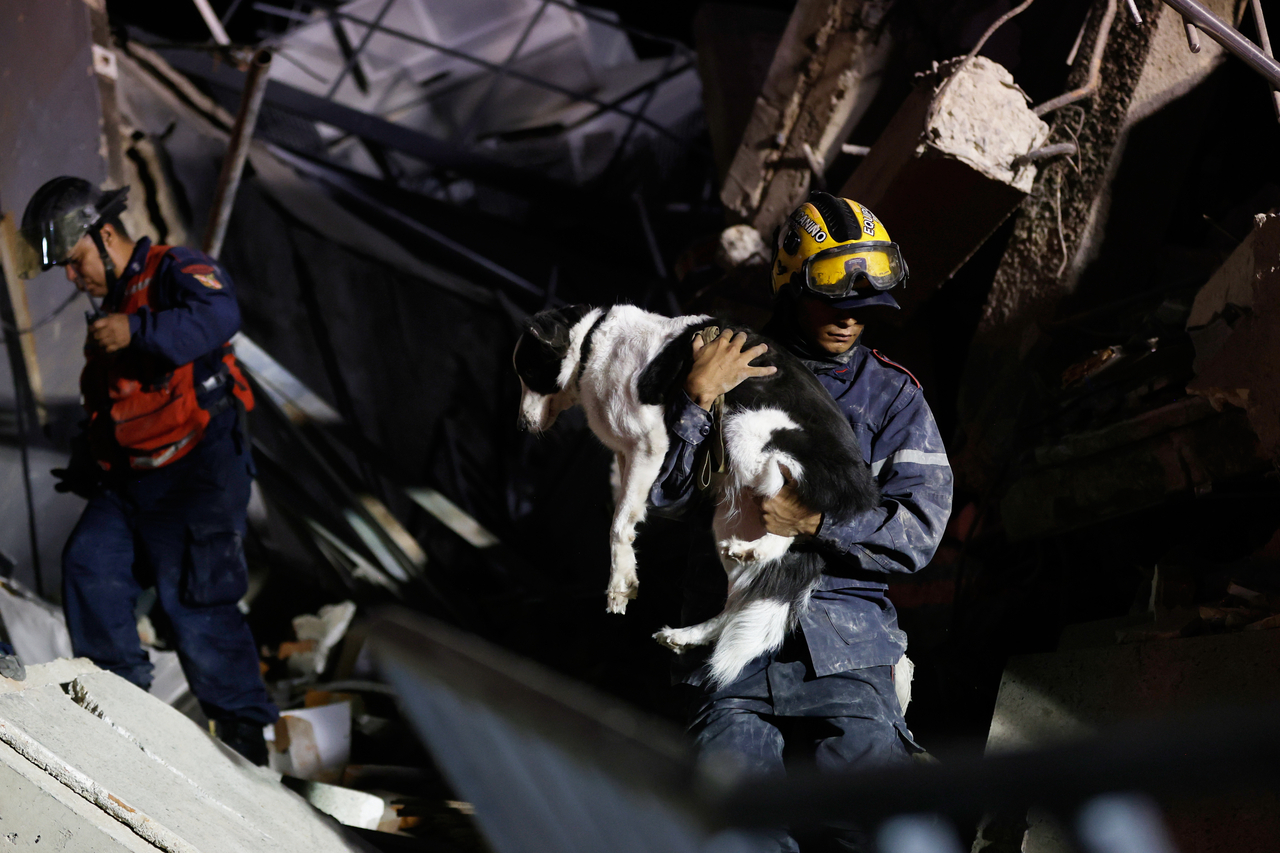
A firefighter rescues a dog from a building that collapsed after an earthquake in Caracas, Venezuela, Wednesday 24 June 2026. Photo: Pedro Mattey / © AP Photo
Related content
every problem has a solution, every solution needs support.
The problems we face are urgent, complicated, and resistant to change. Real solutions demand creativity, hard work, and involvement from people like you.